FREE SHIPPING FOR ORDERS OVER $199
60 DAYS RETURN POLICY
5% OFF FOR NEWSLETTER-SIGN UP
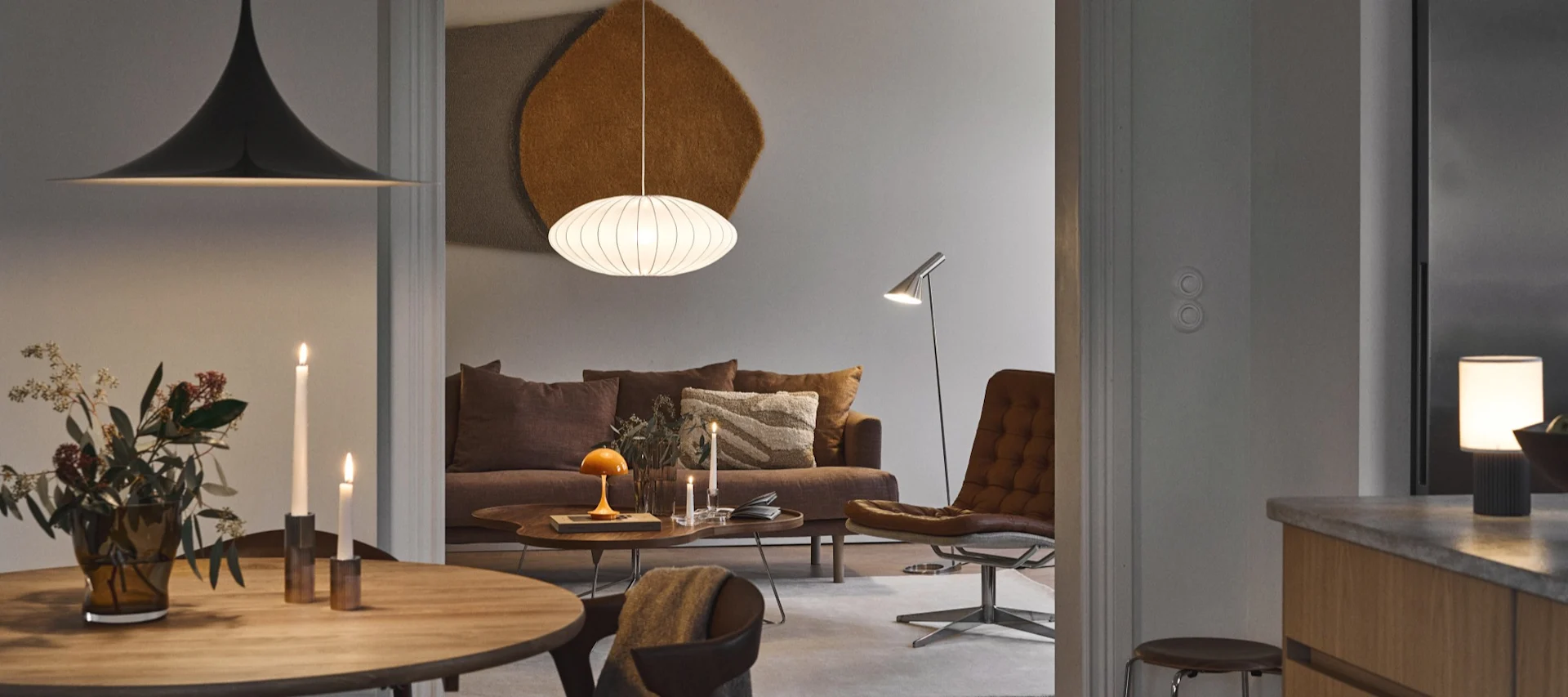
Choosing the right light bulb – colour temperature & lumen
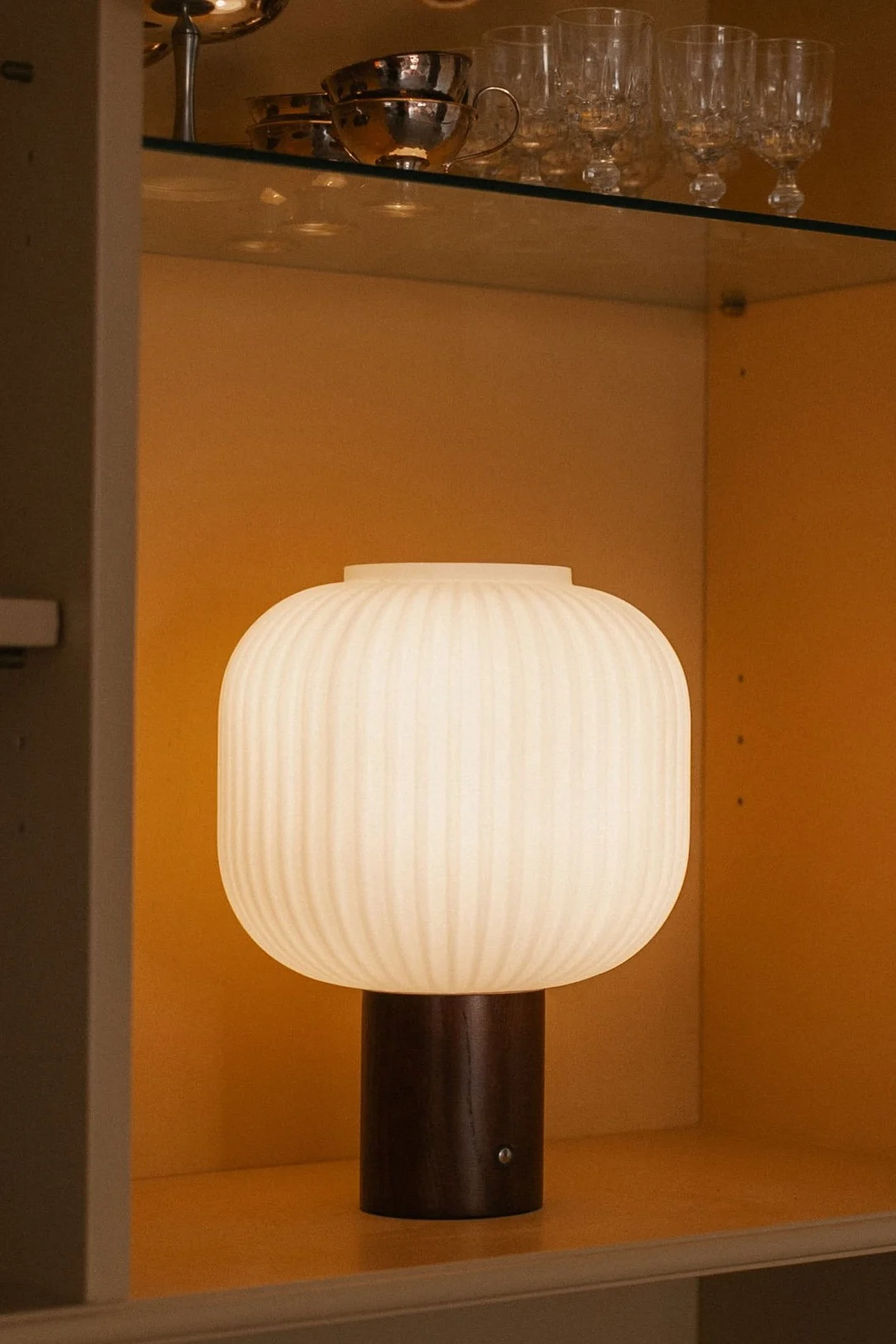
The colour temperature of a bulb is measured in Kelvin. For a warmer, more atmospheric glow, you should have a lower Kelvin degree between 2200K - 2500K.
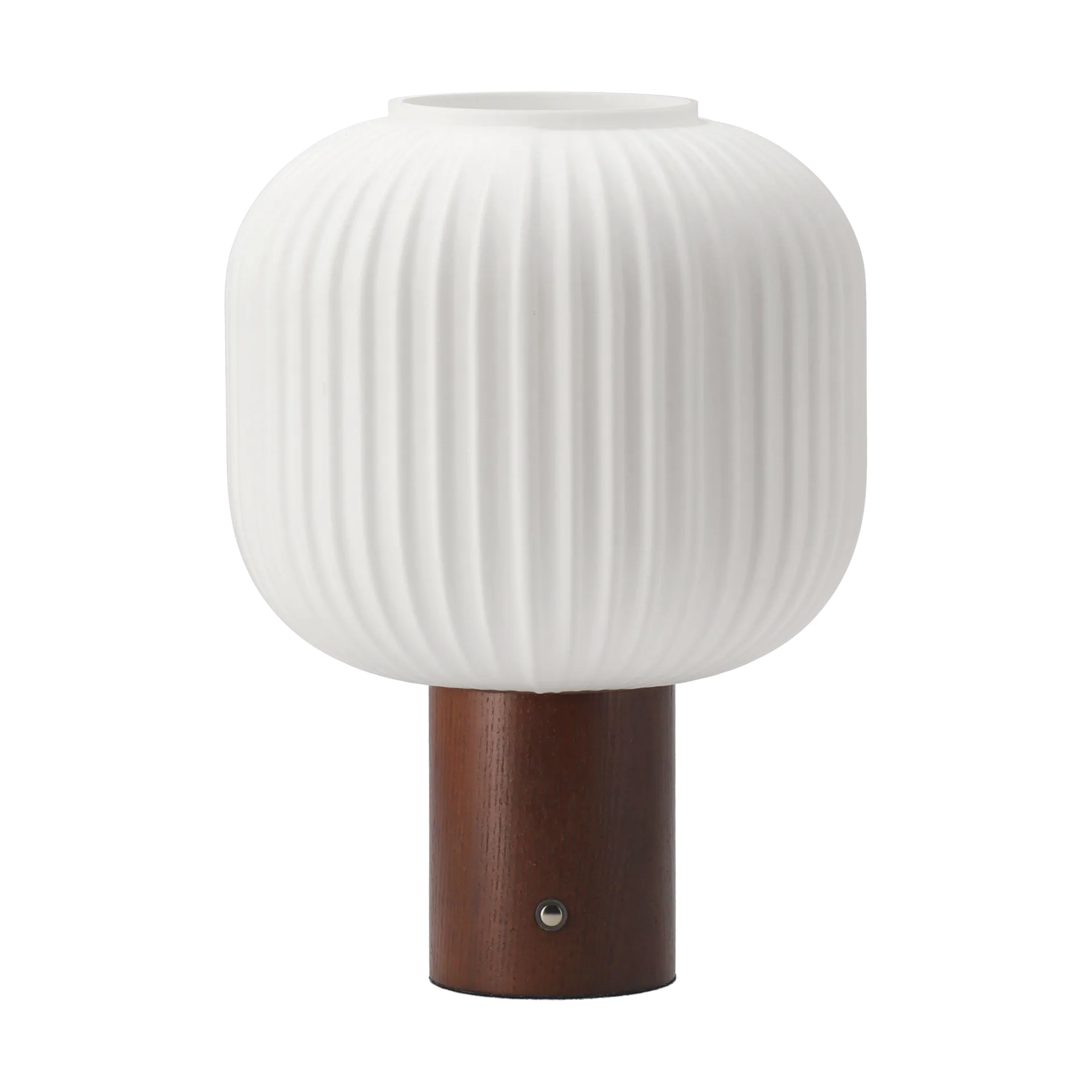
Basics you need to know when choosing a light bulb
Before choosing a light bulb, it helps to understand a few simple terms that determine how a light will look and feel in your home. From brightness to colour temperature, these basics make it easier to create the right lighting for every room.
1. Lumens → brightness How much light the bulb gives off — this is what actually determines how bright a room feels, not the wattage.
2. Kelvin (K) → colour This determines whether the light feels warm and soft or cool and crisp — often described as a light bulb's colour temperature, or warmth scale.
3. Layering → atmosphere How multiple light sources work together in a room.
Think of it this way: lumens decide how much light you get and Kelvin decides how it feels.
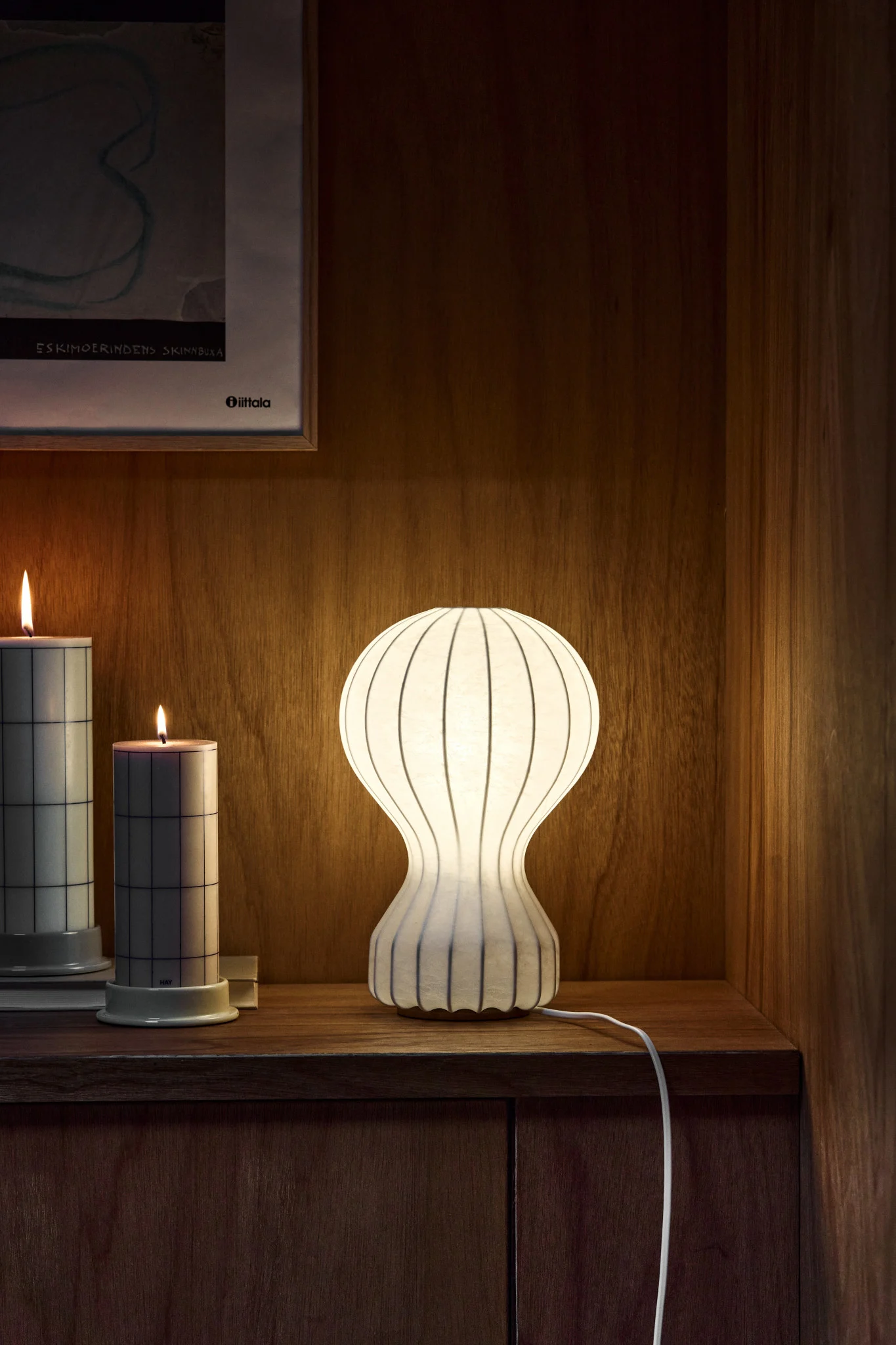


Understanding what a Kelvin is: warm or cool light
Kelvin (K) describes the colour temperature of a light bulb - from warm, golden and yellow tones to cooler, more neutral whites. It's often referred to as a light bulb's warmth scale and it's the second big decision after lumens.
The Kelvin scale:
| Kelvin range | What it looks like | Best for |
| 1800–2200K | A deep, golden glow, similar to candlelight | Cosy, atmospheric evenings — often too warm for general lighting |
| 2200–2700K | Warm white | The most common choice for homes — relaxed, inviting, easy to live with |
| 3000K | A slightly clearer, more neutral warmth | A balance between cosy and practical |
| 3500–4000K | Neutral white | Brighter and more functional — kitchens and bathrooms |
| 5000K+ | Cool, daylight-like light | Crisp and cool, rarely used in living spaces |
2200K vs 2700K or 2500K vs 2700K?
Both sit within the warm white range, so the difference is subtle rather than dramatic. 2200K leans slightly more golden and candle-like, while 2700K is the more neutral, classic "warm light bulb" most homes use as standard. The same logic applies to 2500K vs 2700K — the higher the number the cooler and cleaner the light feels.
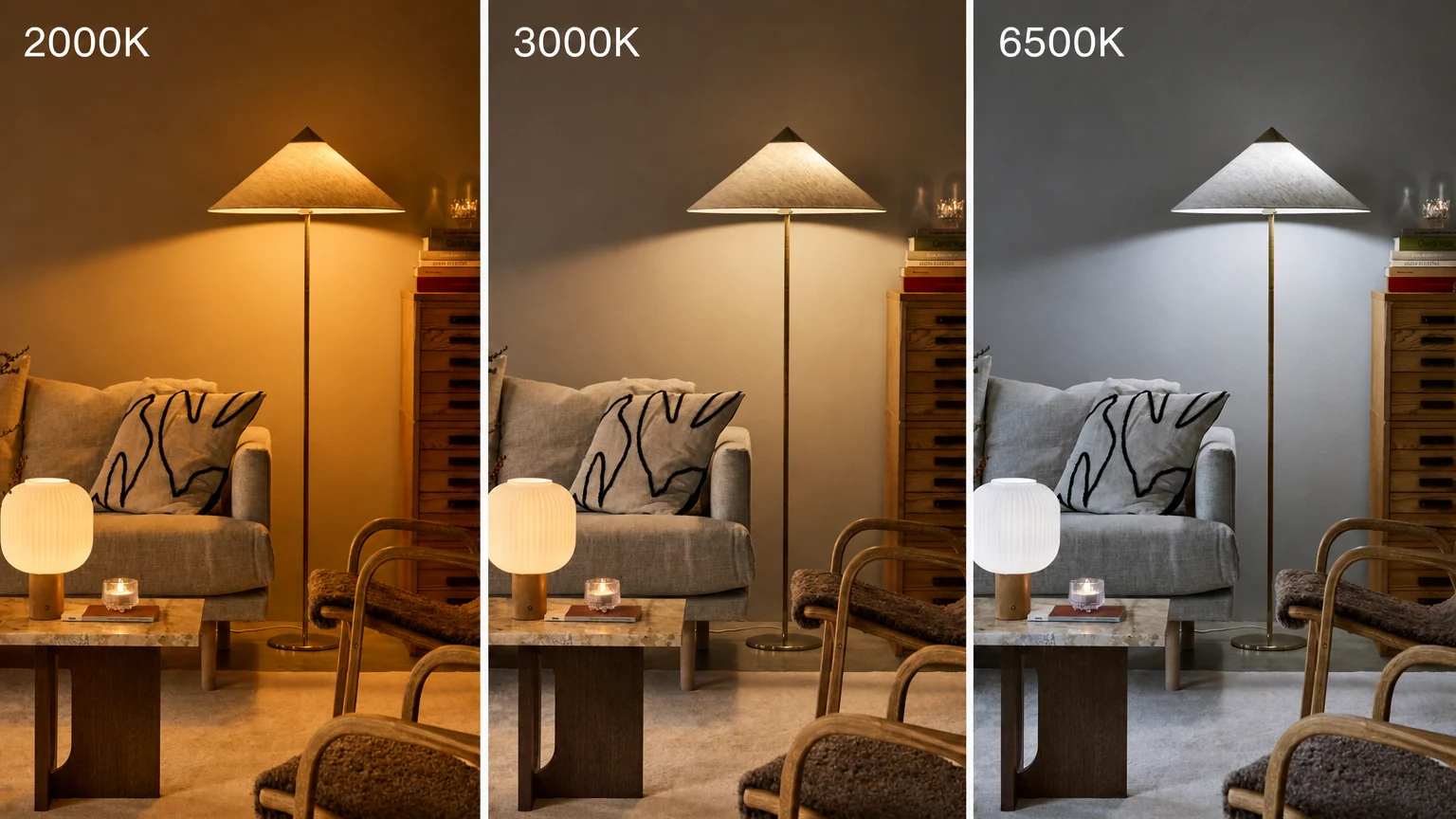
The Kelvin scale – the colour temperature of a bulb is important for the atmosphere in your home, and it is therefore worth to taking an extra look at before you choose a light bulb.


What is a lumen: how bright should your light be?
Lumens measure brightness — how much light a bulb actually emits. Unlike watts, which used to be the go-to way to judge brightness, lumens tell you exactly what to expect, regardless of bulb type.
A quick lumen guide
| Use | Lumens |
| Functional lighting | 806–1520 lumens |
| General lighting | 400–470 lumens |
| Mood lighting | 220–360 lumens |
Lumens to watts
470 lumens vs 806 lumens -These are two of the most-searched lumen levels and the difference comes down to roughly what you'd expect from an old 40W bulb versus a 60W bulb:
- 470 lumens (~40W equivalent) — soft, gentle brightness. Best for bedside lamps, mood lighting and smaller table lamps.
- 806 lumens (~60W equivalent) — noticeably brighter and more functional. Best for living rooms, kitchens and general room lighting.
If you're choosing between the two, ask what the light is for: relaxing beside the bed calls for 470 lumens; lighting a whole living space calls for 806. Going even lower, around 250 lumens, moves into pure mood or accent lighting territory rather than something to read by.
So if you're wondering what's the best bulb for a bedside lamp, or how many lumens you need for one, around 470 lumens is the answer for:
- Bedside lamps
- Window lighting
- Table lamp bulbs
- Creating a gentle, layered glow
If a room feels too dim, the solution is usually more lumens — not a different colour temperature.
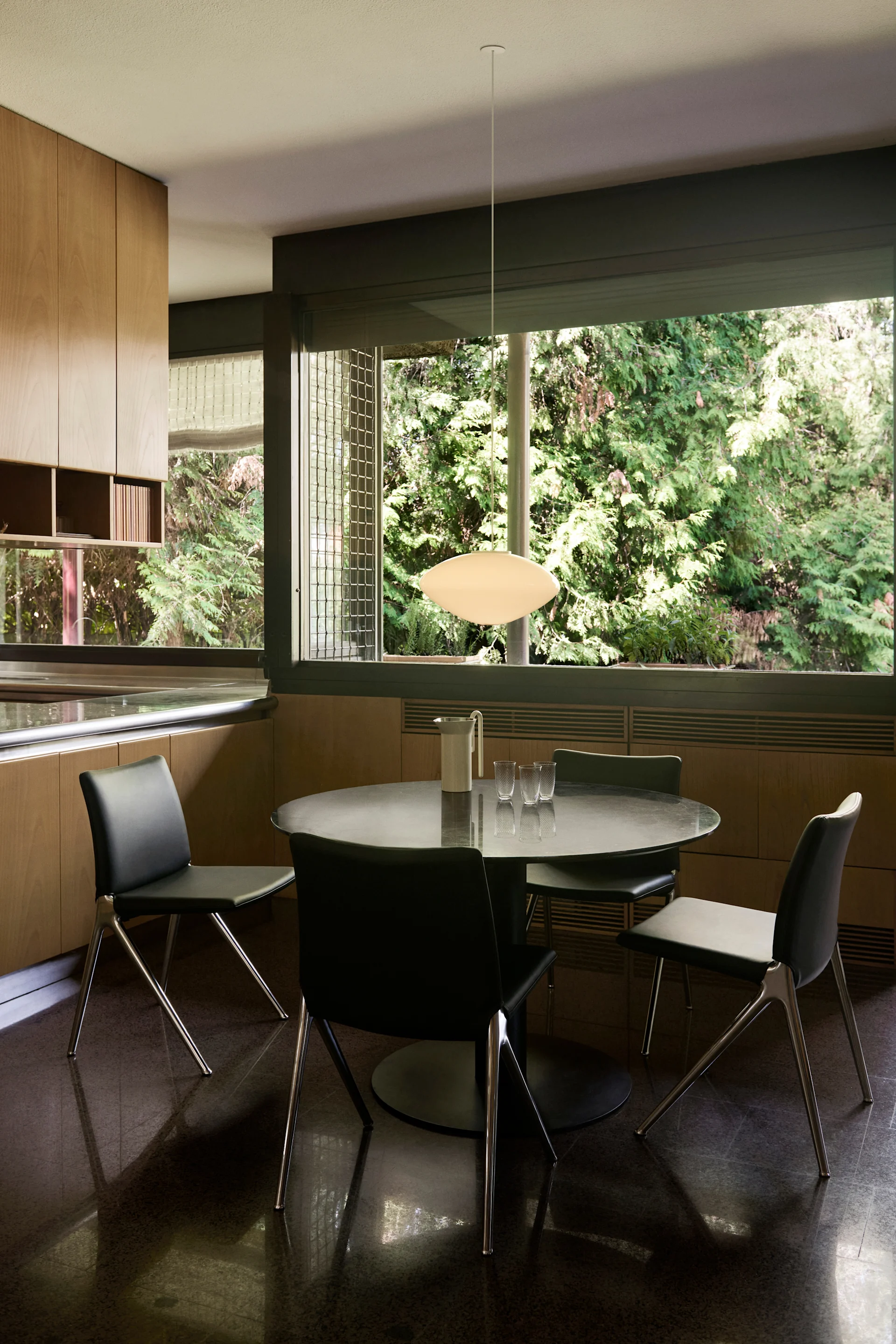
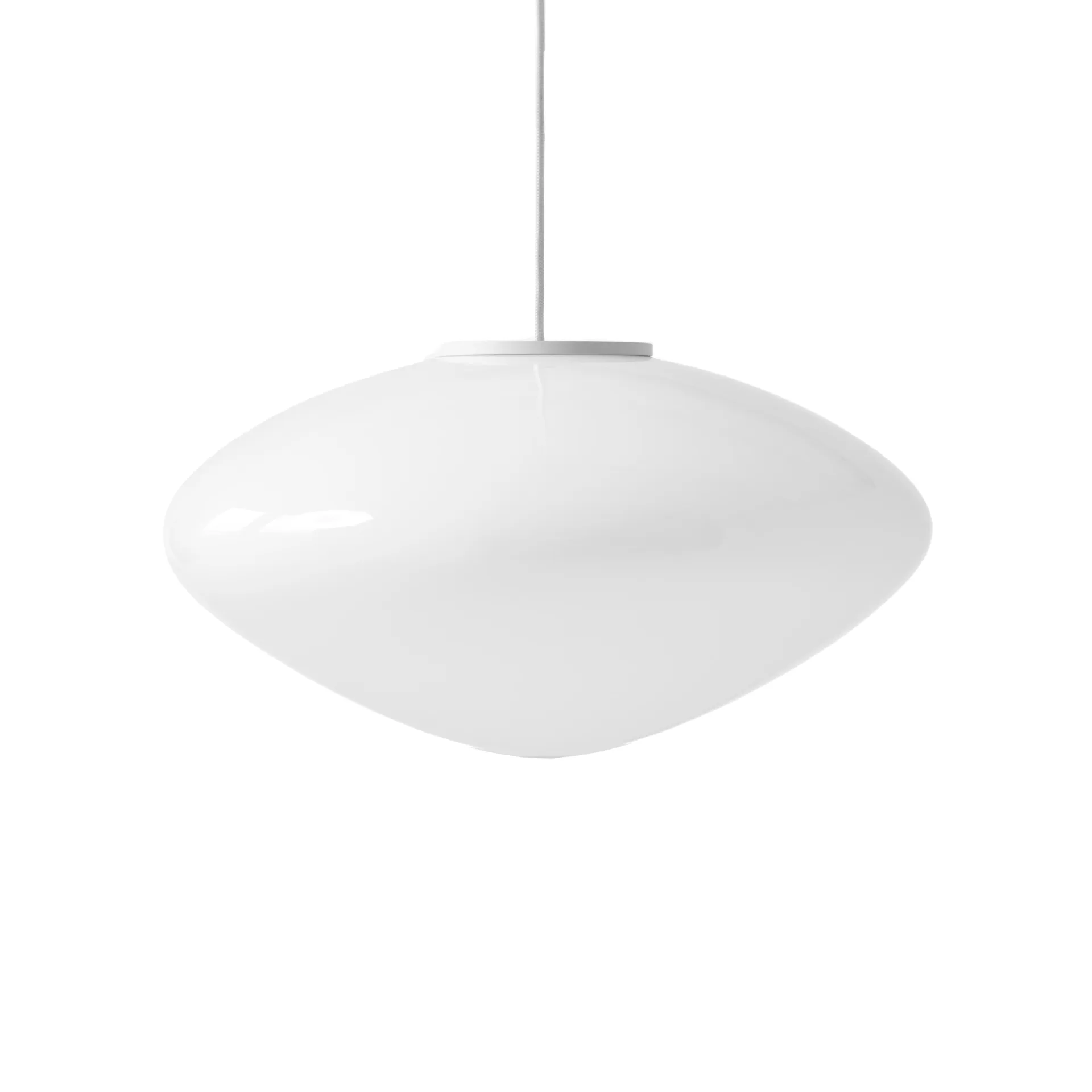
Choosing the right light bulb for each room
Lighting should always reflect how a space is used and how you want it to feel.
A single ceiling light rarely creates a beautiful room. Instead, think in layers:
- Ambient lighting - The overall light in the room.
- Task lighting - Focused light for reading, cooking, or working.
- Accent lighting - Decorative lighting that adds depth, such as a table lamp in a corner or a softly lit shelf.
A well-lit home combines all three creating a space that feels both functional and inviting.

Lighting for the living room
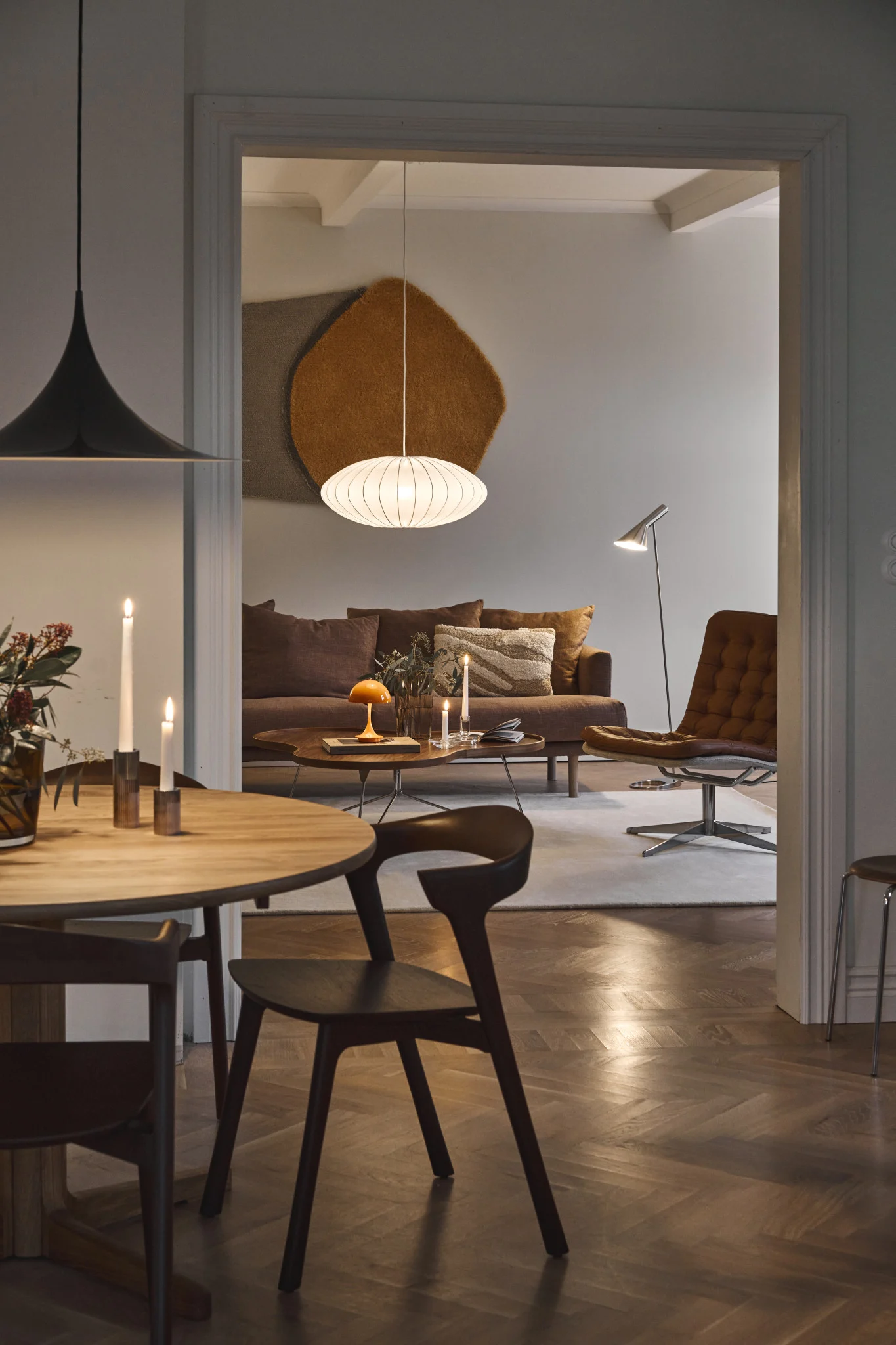
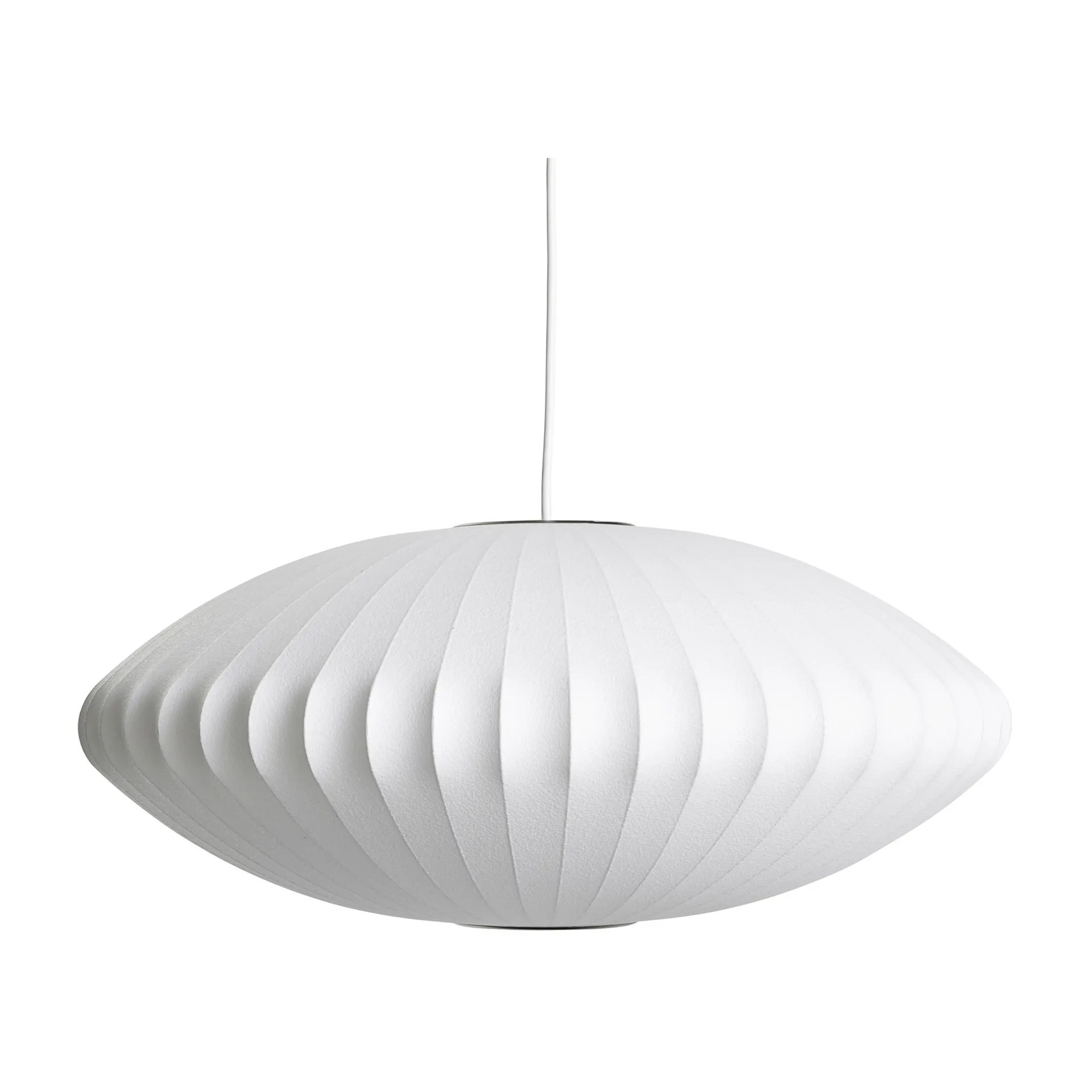
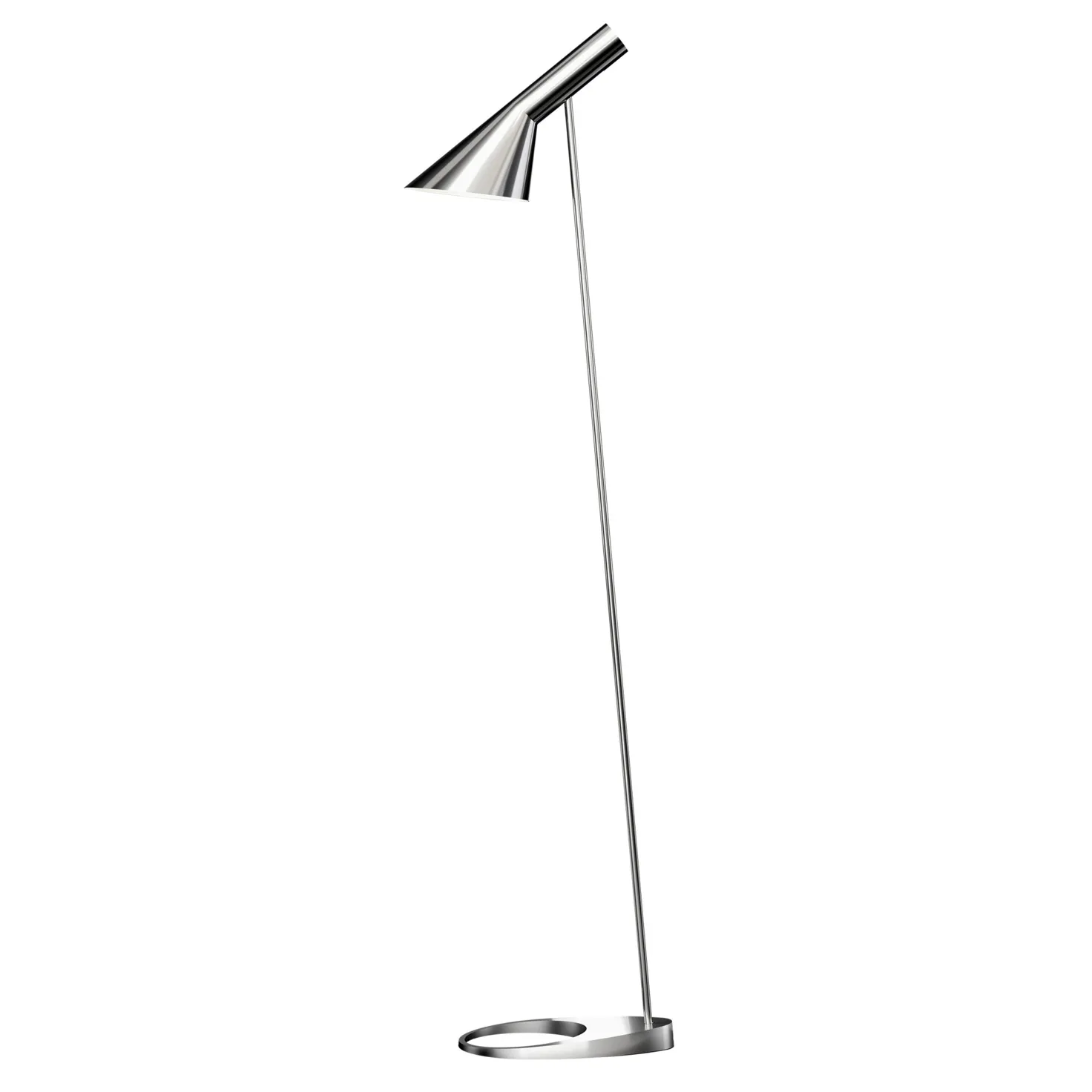
Aim for warmth and flexibility, this is where warm light bulbs for the living room really earn their keep.
- Kelvin: 2200–2700K
- Lumens: medium (around 470–806 lumens, depending on the fixture)
- Combine multiple light sources—table lamps, floor lamps and soft ceiling lighting
Lighitng for the bedroom
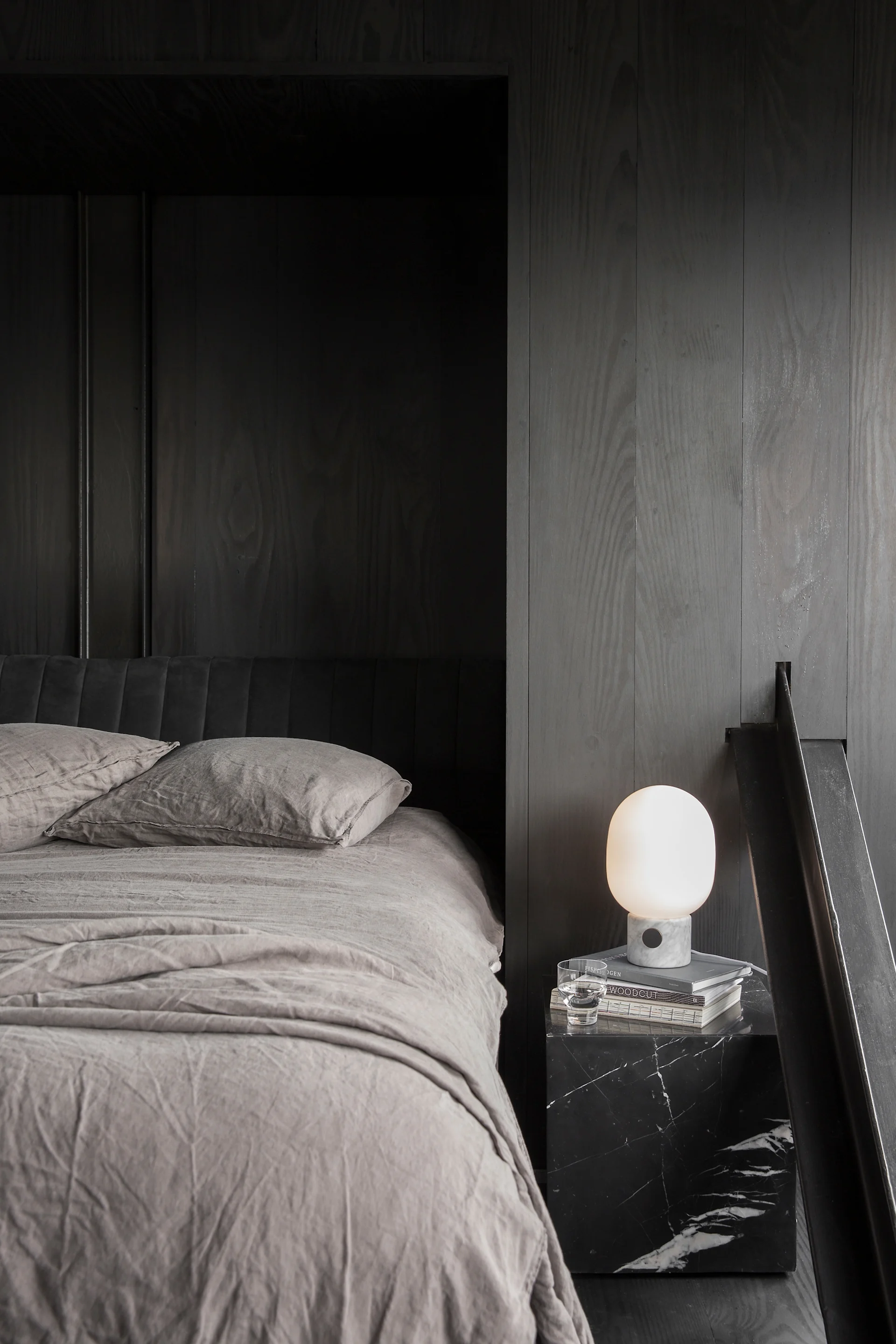
Soft, calming light is key, the best light bulb for the bedroom or bedside lamp sits around 400–470 lumens.
- Kelvin: 2200–2700K
- Lumens: low to medium
- Bedside lighting should feel gentle rather than bright. Avoid overly cool or strong overhead lighting.
Lighting for the kitchen
A balance between function and atmosphere.
- Kelvin: 2700–3000K
- Lumens: higher for work areas (closer to 806 lumens and above)
- You may want slightly cooler light for countertops, while keeping surrounding areas warm and inviting.
Lighting for the bathroom
Clarity matters in the bathroom.
- Kelvin: 3000–4000K
- Lumens: bright and even
- For mirrors especially, a more neutral light with a high CRI helps colours appear more accurately.
A note on colour accuracy (CRI)
Not all light bulbs show colours equally well, even among the same colour temperature.
The Colour Rendering Index (CRI) measures how accurately a light source reveals colours.
- A CRI of 90 or above is ideal for interiors
- Lower CRI can make colours feel dull or slightly off
If you've ever wondered why a room looks different in the evening this is often why.
The best all-round light bulb for most homes
If you’re unsure where to start, this combination works in most homes:
- 2700K
- 400–800 lumens
- High CRI
- Dimmable
It’s a versatile choice that balances warmth, clarity, and everyday functionality.
By understanding a few simple principles, you can create rooms that feel softer, warmer, and more considered—morning to evening.
Photo: Ardijan Mahmutaj, Appauldden, &Tradition, Audo Copenhagen

LIGHT BULBS
Show more
Customer Service
Selection
Inspiration